Understanding Borrowed Views Architecture in Singapore
Singapore’s urban landscape is a fascinating blend of modernity and tradition, where space is at a premium and creativity is essential. One architectural concept that has gained prominence in this city-state is the use of borrowed views. This technique allows architects and designers to enhance the visual experience of a space by incorporating elements from the surrounding environment. Borrowed views architecture is not only a clever design strategy but also a way to connect buildings with their natural and urban context.
The Role of Borrowed Views Architecture in Urban Design
Borrowed views architecture plays a crucial role in maximizing the aesthetic and functional value of limited spaces. In a densely populated city like Singapore, where land is scarce, architects often face the challenge of creating open, airy environments without the luxury of expansive grounds. Borrowed views help overcome this by visually extending the boundaries of a property.
By framing and integrating external landscapes, such as parks, water bodies, or iconic cityscapes, borrowed views architecture creates a sense of openness and tranquility. This approach not only improves the quality of life for residents but also adds a unique character to buildings. For example, a residential apartment might frame a distant garden or a historic monument, making the view part of the living experience.
This technique also encourages sustainable design by promoting natural ventilation and daylighting. When architects consider the surrounding environment as part of the design, they can orient buildings to capture breezes and sunlight more effectively, reducing reliance on artificial cooling and lighting.
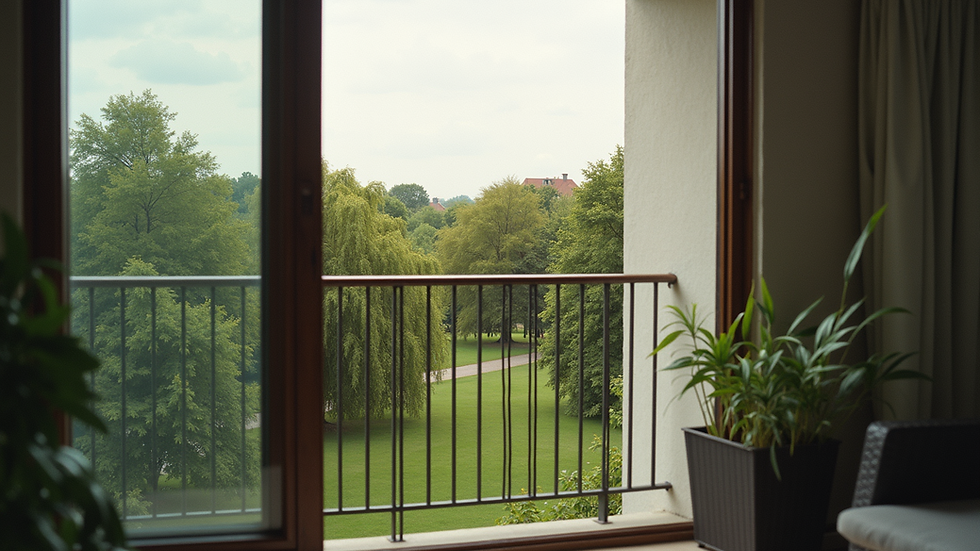
What is a Borrowed View?
A borrowed view is an architectural concept where a building’s design intentionally incorporates views of external elements to enhance the interior or exterior space. Instead of isolating a property from its surroundings, borrowed views create a visual connection that enriches the occupant’s experience.
This concept has roots in traditional Asian garden design, where views of distant mountains, water features, or trees are framed through windows, doorways, or garden openings. In contemporary architecture, borrowed views are used to:
Expand perceived space: Making small areas feel larger by visually connecting them to open or scenic surroundings.
Enhance aesthetics: Adding beauty and interest by including natural or urban elements in the view.
Create harmony: Blending built environments with nature or cultural landmarks to foster a sense of place.
For instance, a Singaporean home might use large glass panels to frame a view of the city skyline or a nearby nature reserve, effectively “borrowing” that view to enrich the living space.
Practical Examples of Borrowed Views in Singapore
Singapore offers many inspiring examples of borrowed views architecture, reflecting its commitment to innovative urban design. Here are some notable cases:
Sky Gardens in Residential Towers
Many high-rise condominiums incorporate sky gardens or terraces that frame views of the city or greenery. These spaces borrow views from the urban landscape, providing residents with a peaceful retreat above the bustling streets.
Public Parks Adjacent to Buildings
Buildings located near parks or waterfronts often use large windows or open facades to capture these natural views. This approach not only enhances the building’s appeal but also encourages interaction with the environment.
Heritage Buildings with Framed Views
Some heritage sites in Singapore use borrowed views to connect the past with the present. For example, a restored colonial building might frame views of a modern skyline, creating a dialogue between eras.
Integrated Mixed-Use Developments
Mixed-use complexes often use borrowed views to link commercial, residential, and recreational spaces. This integration fosters a cohesive urban experience where different functions complement each other visually and spatially.
These examples demonstrate how borrowed views architecture can be adapted to various building types and contexts, making it a versatile design tool.

How to Incorporate Borrowed Views in Your Design
If you are an architect, developer, or homeowner interested in incorporating borrowed views into your project, consider the following practical steps:
Analyze the Surroundings
Conduct a thorough site analysis to identify potential views worth borrowing. Look for natural features, landmarks, or interesting urban elements that can enhance your design.
Orient the Building Strategically
Position windows, balconies, and openings to frame the selected views. Orientation should also consider sunlight and wind patterns to optimize comfort and energy efficiency.
Use Transparent and Reflective Materials
Glass walls, large windows, and reflective surfaces can help bring external views inside. However, balance transparency with privacy and shading needs.
Create Visual Frames
Use architectural elements like pergolas, screens, or landscaping to frame and highlight borrowed views. This technique guides the eye and adds depth to the space.
Integrate Nature and Built Elements
Combine borrowed views with interior greenery or water features to create a seamless transition between inside and outside.
Consider Cultural and Historical Context
Borrowed views can also include cultural landmarks or heritage sites. Respecting and highlighting these elements can add meaning and identity to your design.
By following these guidelines, you can create spaces that feel larger, more connected, and visually appealing.
The Future of Borrowed Views in Singapore’s Architecture
As Singapore continues to grow and evolve, the importance of borrowed views architecture is likely to increase. With ongoing urban densification and a strong emphasis on sustainability, architects will need to find innovative ways to connect buildings with their environment.
Emerging technologies such as augmented reality and smart glass could further enhance the experience of borrowed views, allowing dynamic control over what is seen and how it is framed. Additionally, urban planning policies that encourage green spaces and heritage preservation will support the integration of borrowed views in new developments.
For those interested in exploring this concept further, resources on borrowed views singapore provide valuable insights and case studies.
Ultimately, borrowed views architecture offers a powerful way to enrich urban living by blending the built environment with the natural and cultural landscape. It invites us to see beyond the walls and appreciate the broader context that shapes our experience of space.



Comments